
An Ontology of UNESCO’s
World Heritage List
The UNESCO World Heritage List aims to recognize places of “outstanding universal value,” but the global distribution of these sites is not evenly balanced. This project analyzes regional patterns, category differences, and inscription trends to investigate how historical influence, institutional capacity, and cultural priorities shape heritage recognition.
First, For Some Context
The UNESCO World Heritage Site and its effect on inscribed sites has long been studied by researchers interested in cultural representation, global inequality and political agendas. Current literature places our project at the intersection of heritage governance and power. Across our sources, scholars consistently show that the UNESCO World Heritage List should not be read as a neutral inventory of the world’s most culturally valuable places. Instead, it reflects a structured process shaped by official criteria, committee participation, and political lobbying. The merit of this process has been tested by many researchers. Bertacchini and Meskell both evaluated the gap between advisory-body recommendations and final Committee decisions, finding that inscription outcomes often diverge from expert assessments and are strongly shaped by committee membership, delegate size and state alliances. At the same time, Dattilo’s research found that there was no systematic pro-European bias at the expert evaluation stage, which suggests that imbalance may stem less from the criteria themselves and more from uneven nomination capacity and political negotiation.
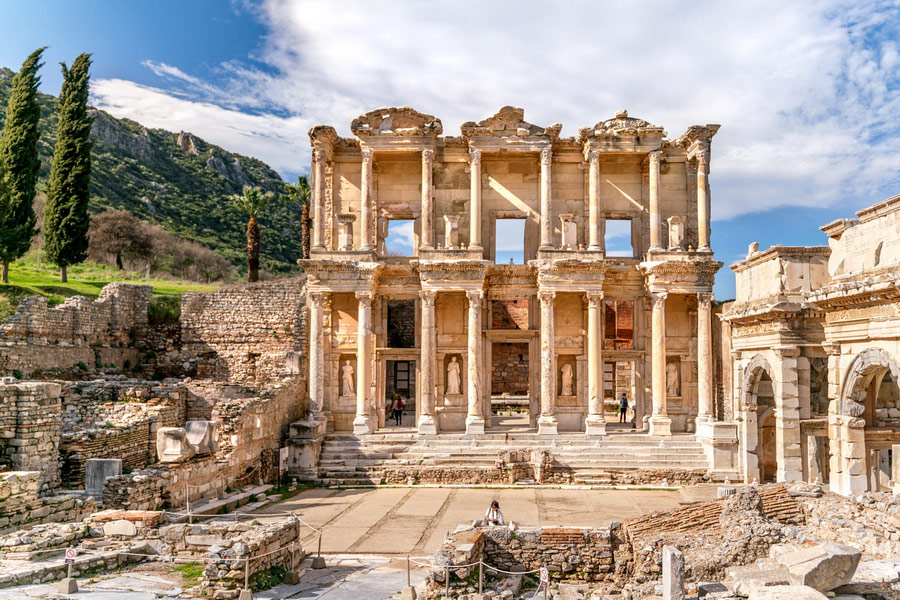
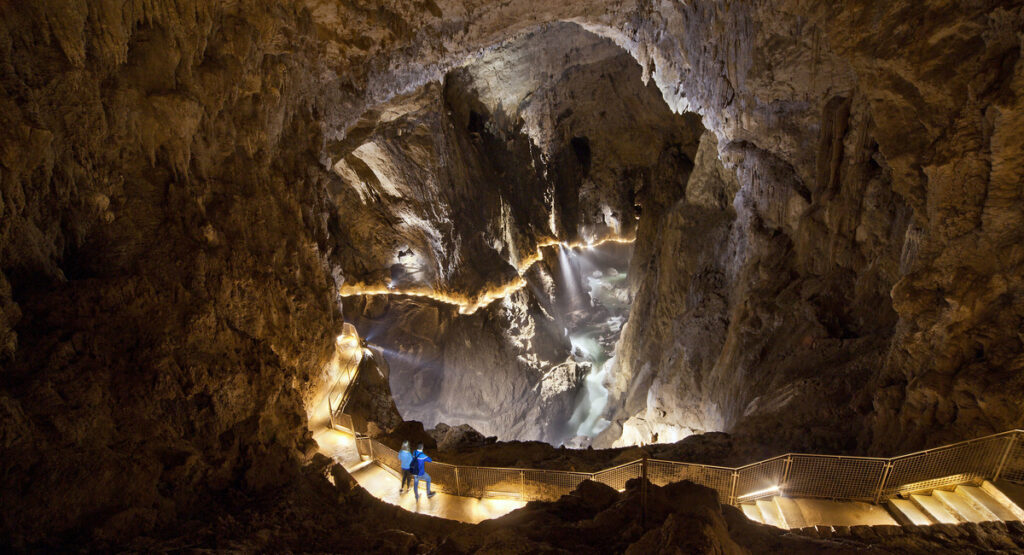
Škocjan Caves, I Feel Slovenia

Besides the political aspects of the decision-making process in UNESCO, there has also been analysis of structural inequalities in the World Heritage listing. For instance, Meskell, among other scholars, has pointed out that there is a geographic distribution of World Heritage Sites that is closely related to long-standing hierarchies of power in the world, with Europe and parts of East Asia having a disproportionately high number of inscriptions compared to other parts of the globe, like Africa or the Pacific. The differences in these aspects of heritage management have been attributed to differences in administrative capacity, heritage management infrastructure, as well as the capacity of states to compile complex nomination documents that meet UNESCO’s documentation requirements. Other scholars have pointed out economic aspects of heritage listing, indicating that there is a strong link with tourism development.
At the same time, there is broad consensus among scholars that the World Heritage system has developed over time in response to criticisms. For instance, UNESCO has introduced various policies to address the issue of geographic representation and balance. For example, UNESCO has introduced various initiatives to encourage nominations from underrepresented geographic regions. However, various researchers have argued that such developments have not sufficiently addressed the structural problems facing the system. Therefore, there are various issues that need to be clarified with regard to the representation of cultural diversity globally and how this is affected by the processes and systems involved. Our project seeks to contribute to this debate by analyzing the UNESCO dataset and utilizing visualization and spatial analysis to explore how this represents the processes and systems identified in the literature.

Where Our Research Begins
1
Global Distribution & Representation

How are UNESCO World Heritage sites distributed across global regions and site type?
Which global regions are most likely to have sites placed on the “In Danger” list, and how is that associated with conflict risk, climate change, or weaker country capacity?
2
Historical & Institutional Growth

How has the pace of World Heritage site inscription changed over time, and are there identifiable changes linked to geopolitical periods?
3
Economic Impact & Heritage at an Asset

To what extent do wealthier nations leverage “World Heritage” status more effectively for economic gain than lower-income countries?
In what ways does UNESCO recognition bolster “heritage” as an economic asset, specifically in regard to tourism?